
logotype
  • Homepage
  • About us
    • Aeolus
    • Doctor Farmer
  • Products
    • All Products
    • Kontur Humat
    • Kontur Start
    • Kontur Growth
    • Kontur Antistress
  • Media
    • News & Tips
    • Video news
    • Promotional videos
    • Gallery
  • Distributors
  • Contacts
EnglishEN
  • Српски језикSR
CONTACTS
logotype
English
  • Српски језик
logotype
  • Homepage
  • About us
    • Aeolus
    • Doctor Farmer
  • Products
    • All Products
    • Kontur Humat
    • Kontur Start
    • Kontur Growth
    • Kontur Antistress
  • Media
    • News & Tips
    • Video news
    • Promotional videos
    • Gallery
  • Distributors
  • Contacts
EnglishEN
  • Српски језикSR
CONTACTS
logotype
English
  • Српски језик
  • Homepage
  • About us
    • Aeolus
    • Doctor Farmer
  • Products
    • All Products
    • Kontur Humat
    • Kontur Start
    • Kontur Growth
    • Kontur Antistress
  • Media
    • News & Tips
    • Video news
    • Promotional videos
    • Gallery
  • Distributors
  • Contacts

Kontur

Kontur

  • Homepage
  • About us
    • Aeolus
    • Doctor Farmer
  • Products
    • All Products
    • Kontur Humat
    • Kontur Start
    • Kontur Growth
    • Kontur Antistress
  • Media
    • News & Tips
    • Video news
    • Promotional videos
    • Gallery
  • Distributors
  • Contacts
Education

Category: Education

Tretman semena
26. October 2026.

Kontur Start: How does seed treatment contribute to better germination and stronger initial plant development?

One of the most important steps in establishing a crop is preparing the seed for germination and early plant development. Once the seed is placed in the soil, it must initiate a series of physiological processes, develop its root system, and establish contact with water and nutrients. That is why it is important to provide the best possible conditions right from the start.

Kontur Start is designed for seed treatment before sowing, with the aim of stimulating germination, root system development, and nutrient uptake during the early stages of plant growth.

For growers looking to improve seed preparation and give their crops a better start to the growing season, Kontur Start represents an important step in crop production technology.

Why Is Seed Treatment Before Sowing Important?

The early stages of plant development play a significant role in the subsequent growth of the crop. After sowing, the seed must initiate germination, develop its root system, and produce a shoot capable of successfully emerging through the soil.

This process can be influenced by temperature, water availability, soil conditions, and the chemical treatments to which the seed has previously been exposed.

Seed treatment with certain plant protection products can present a particular challenge. Depending on the conditions, products containing triazoles may slow early plant development.

For this reason, seed treatment should not be viewed exclusively as a means of protection. It is also an opportunity to support the plant as it initiates germination and develops its root system.

The goal is to provide the plant with favourable conditions for development from the very beginning, helping it use available water and nutrients more efficiently.

How Does Kontur Start Work?

Kontur Start is a complex organo-mineral fertiliser formulated for seed treatment. Its mode of action is based on a combination of humic and fulvic acids, micronutrients, arachidonic acid, and succinic acid.

Each of these components plays a specific role in supporting early plant development.

Humic and Fulvic Acids: Supporting Plant Nutrition

Humic and fulvic acids are important components of Kontur Start.

Humic acids participate in the regulation of plant physiological processes, while fulvic acids contribute to the availability and transport of mineral elements. Their combined action helps plants use available nutrients more efficiently.

During the early stages of development, when the root system is forming and the plant is establishing contact with the soil, efficient water and nutrient uptake is an important prerequisite for further growth.

Arachidonic Acid: Stimulating Early Development

Kontur Start contains arachidonic acid, a component that the technical documentation identifies as playing an important role in stimulating growth.

It supports processes associated with germination and root formation, as well as the activation of certain natural plant defence responses.

The product is applied to the surface of the seed, allowing its components to come into contact with the soil and the developing root system.

Succinic Acid: Supporting Nutrient Uptake

Succinic acid is another component of Kontur Start. According to the technical documentation, it contributes to increased cell membrane permeability and more active nutrient uptake.

This effect is particularly relevant during the early stages of development, when the plant is establishing its root system and laying the foundations for further growth.

The combination of these components is designed to support germination, root formation, and early crop development.

Kontur Start and Seed Germination: Why Is Germination Vigor Important?

Germination is more than the moment when the first root emerges from the seed. It marks the beginning of a process in which the plant activates its reserves, develops its root and shoot, and prepares for independent growth.

In addition to the final germination percentage, germination vigor is also important. It refers to the seed’s ability to begin developing quickly and uniformly.

Kontur Start is formulated to support both processes. Its application may contribute to increased germination vigor and capacity, as well as more uniform seedling emergence.

The technical documentation reports an average increase in germination capacity of 5–8%. However, actual results depend on seed quality, crop species, testing conditions, and conditions after sowing. This figure should not be interpreted as a guaranteed result for every crop or field.

What Do the Trial Results Show?

In one of the trials presented in the technical documentation, seeds treated with tebuconazole were compared with seeds that received both the same chemical treatment and Kontur Start at a rate of 0.2 L/t.

ParameterTebuconazole onlyTebuconazole + Kontur Start
Normal germination on day 556.6%77.8%
Total germination on day 587.2%97.5%
Normal germination on day 770.0%91.2%
Total germination on day 789.3%97.5%

The results indicate improved germination dynamics in the tested group in which Kontur Start was added to chemically treated seeds.

These figures represent the results of a specific trial presented in the technical brochure, not a universal prediction of performance under all growing conditions.

Root Development: The Foundation for a More Resilient Start to the Growing Season

A well-developed root system enables plants to use water and nutrients from the soil more efficiently. Root development during the early stages is therefore essential for successful crop establishment.

Kontur Start stimulates root formation and supports improved nutrient uptake through the root system. According to the technical documentation, this effect may be particularly important for plants that need additional support for root development during their early growth stages.

In a wheat biomass trial conducted at the two- to three-leaf stage, the documentation presents the following results:

ParameterUntreated seedKontur Start 0.1 L/tKontur Start 0.2 L/t
Root length4.92 cm5.44 cm5.84 cm
Shoot length13.20 cm14.08 cm14.46 cm
Number of roots4.324.725.00
Plant weight0.130 g0.147 g0.200 g

These results show differences in the development of the tested plants depending on the seed treatment applied. They should not be interpreted as a guarantee of the same increase in every growing season, but they provide a concrete example of the potential importance of an appropriately selected treatment during the early stages of development.

How Does Kontur Start Help When Treating Chemically Treated Seeds?

Seed protection is an important part of modern agricultural production. However, certain treatments, depending on the active ingredient and growing conditions, may be associated with slower early plant development.

The technical documentation for Kontur Start specifically highlights its use alongside seed treatments containing triazoles.

Adding Kontur Start to an appropriate seed treatment mixture is intended to support germination vigor, root formation, and early plant growth.

For growers, it is important to view seed treatment as a complete process: seed quality, appropriate protection, correct dosage, and the selection of additional products must all be carefully coordinated.

Before combining Kontur Start with plant protection products, the compatibility of the specific formulations should be verified and all application instructions followed.

Kontur Start: Recommended Dosage and Application Method

Kontur Start is applied as a seed treatment before sowing.

The recommended application rate for the complex of humic and fulvic acids with micronutrients and arachidonic acid is 0.1–0.2 L per tonne of seed.

Why Choose Kontur Humat Start?

Choosing the right seed treatment is an investment in the early stages of crop production, when the plant establishes the foundations for further growth and development.

Kontur Humat Start combines several functional components in a single seed treatment programme.

Its key benefits include:

  • Supporting seed germination vigor and capacity.
  • Stimulating root system formation and development.
  • Supporting water and nutrient uptake through the roots.
  • Helping plants overcome the slowing of early development associated with certain chemical seed treatments.
  • Supporting more uniform seedling emergence and stronger early growth.

Kontur Start is designed for growers who want to plan every stage of production carefully, starting with the seed.

A Good Crop Start Begins Before Sowing

In agriculture, no single product can compensate for every shortcoming in crop production. Seed quality, soil preparation, moisture, temperature, and sound agronomic practices remain the foundations of success.

Nevertheless, a properly selected seed treatment can be an important part of an effective crop management strategy.

Kontur Humat Start supports germination, root development, and early plant nutrition precisely during the period when the foundations for subsequent growth are established.

Prepare your seeds for a successful start to the growing season. Choose Kontur Humat Start and include an appropriate seed treatment in your crop production plan.

Would you like to learn more about using Kontur Start? Contact our team or your authorised distributor for information about the product, recommended dosage, and correct application method.
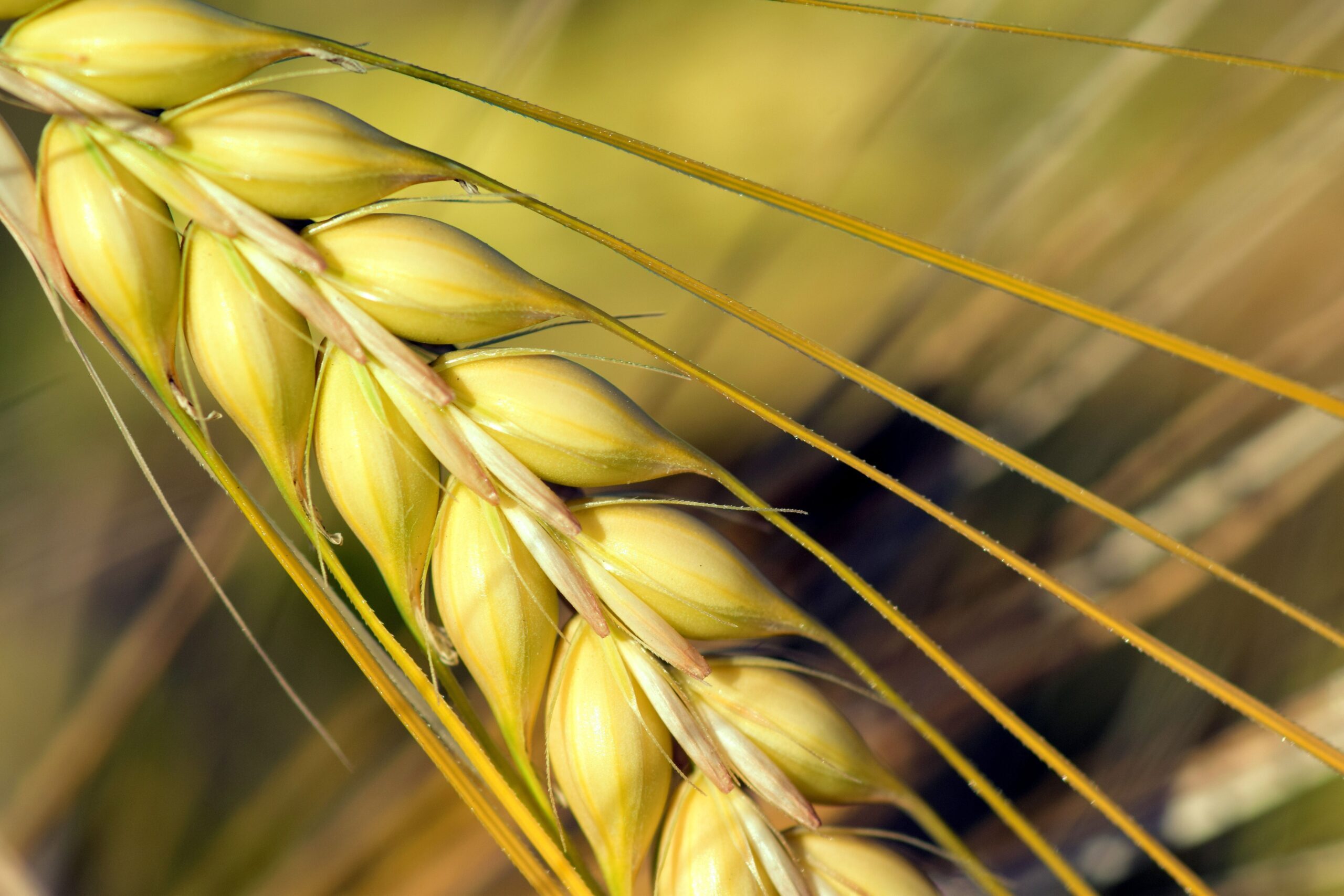
winter wheat
20. October 2026.

Biostimulants for Winter Cereals: Supporting Early Growth and Crop Resilience

The production of wheat, barley, and other winter cereals begins long before harvest. Establishing a good crop stand, developing a strong root system, promoting tillering, and preparing plants for winter are all important steps that influence subsequent yield potential.

However, farmers increasingly have to plan their production under unpredictable weather conditions. A lack of rainfall after sowing, sudden temperature fluctuations, frost, excess soil moisture, and reduced nutrient availability can slow plant development and make it more difficult to achieve the expected yield.

Under these circumstances, alongside appropriate agronomic practices, crop nutrition, and crop protection, biostimulants for winter cereals can also play a role.

Their purpose is not to replace essential agronomic measures, but to support plant physiological processes, help plants use available resources more efficiently, and improve their ability to cope with certain adverse conditions.

Why Is Early Crop Development So Important?

A well-developed crop in autumn provides the foundation for successful growth in spring. Under favorable conditions, plants develop their root systems, produce leaves, and tiller, laying the groundwork for the formation of productive stems.

However, unfavorable conditions can disrupt these processes.

  • Insufficient soil moisture can hinder germination and emergence, slow root development, and lead to an uneven crop stand.
  • Low temperatures and frost can damage plants, particularly when they are insufficiently developed or have not undergone adequate cold acclimation.
  • Excess water and compacted soil can reduce oxygen availability in the root zone and restrict root development.
  • Limited nutrient availability can slow growth and development, even when nutrients are present in the soil but are not readily available for plant uptake.

The consequences are not always immediately visible. Poor early development can affect spring tillering, the number of productive stems, and subsequent yield formation.

That is why timely intervention is important, with measures tailored to the actual condition of the crop and soil.

How Can Biostimulants Help Winter Cereals?

Biostimulants are products that support processes related to plant nutrition and physiology. Depending on their composition and mode of action, they can contribute to more efficient nutrient uptake and utilization, improved plant development, and greater tolerance to certain forms of abiotic stress.

Their effects depend on the type of product, application rate, timing, crop condition, and growing environment. It is therefore important to select a product according to the specific objective.

1. Supporting Germination, Emergence, and Root Development

The early stages of growth are critical for establishing a healthy crop. A well-developed root system enables plants to explore a larger volume of soil and access water and nutrients more effectively.

Certain biostimulants, when applied to seeds or to the soil in accordance with product recommendations, can support early growth and root system development.

Uniform emergence and good root establishment provide a more favorable foundation for subsequent plant development. However, biostimulants cannot compensate for a lack of moisture required for germination or correct the consequences of poor soil preparation and inappropriate sowing depth.

2. Improving Nutrient Uptake and Utilization

The amount of nutrients present in the soil is not the only factor that matters. Their availability and the root system’s ability to absorb them are equally important.

Certain types of biostimulants, such as products based on humic and fulvic acids, can support processes associated with nutrient uptake and utilization.

This can be particularly relevant in winter cereal production, where timely and balanced nutrition influences plant growth, tillering, and yield formation.

It is important to emphasize that biostimulants are not a substitute for nitrogen, phosphorus, or potassium fertilizers. When a particular nutrient is deficient in the soil, the deficiency must be identified and addressed through an appropriate fertilization strategy.

3. Improving Tolerance to Abiotic Stress

Drought, extreme temperatures, frost, and other adverse factors can disrupt plant physiological processes and slow growth.

Biostimulants can contribute to improved plant tolerance to specific stress conditions and support recovery after exposure to stress.

In practical terms, biostimulants can be considered part of a broader risk management strategy in crop production, particularly when unfavorable conditions are anticipated or when a crop has already experienced stress.

Nevertheless, no product can guarantee protection against every form of stress. Results depend on the type, intensity, and duration of the stress, as well as the characteristics of the specific product.

When Should Biostimulants Be Applied to Winter Cereals?

The optimal application timing depends on the intended objective, product formulation, and crop growth stage. Since winter cereals have a growing cycle that extends over several months, it is important to identify the periods when biostimulant application can deliver the greatest practical benefit.

Seed Treatment and Application During Early Growth Stages

When the objective is to support germination, emergence, and early root development, products intended for seed treatment or soil application may be considered.

Autumn Growth and Preparation for Winter

During autumn, it is important to provide suitable conditions for root development, leaf formation, and adequate tillering. Biostimulants can play a complementary role within a sound agronomic strategy, but they cannot replace timely sowing, an appropriate plant population, or balanced nutrition.

Spring Resumption of Vegetative Growth

After winter, the condition of the crop should be assessed, including crop density, plant development, and any potential damage. Depending on the identified needs, biostimulant application may be considered to support further growth and more efficient use of available nutrients.

Before or After a Period of Stress

When adverse conditions can be anticipated, biostimulants may be applied before the expected stress event. Following stress exposure, certain products may help support plant recovery.

Not every product is equally effective at every growth stage. Application timing should therefore be determined not solely by the calendar, but also by crop condition, weather conditions, and the intended use of the product.

Biostimulants as Part of a Strategy for More Stable Crop Production

In modern arable farming, making the most efficient use of available resources and reducing the impact of adverse weather on crops are becoming increasingly important.

For winter cereals, biostimulants can be a useful addition to agronomic practices when selected according to plant needs and applied at the appropriate time.

However, the foundations of successful crop production remain unchanged: quality seed, proper soil preparation, optimal sowing dates and seeding rates, balanced nutrition, and timely crop protection.

Biostimulants are most valuable when used strategically as part of a well-designed crop management system, rather than as a replacement for essential agronomic practices.

Because a successful harvest begins with a strong crop foundation and the right decisions throughout the growing season.

zemljiste
1. October 2026.

What really happens in the soil when we use biostimulants?

Drought. High temperatures. Reduced nutrient uptake. Soil compaction. Less and less time for proper field preparation.

These are no longer problems that farmers have to deal with only in extreme years. They are becoming part of the growing conditions that farmers need to take into account.

And when a plant cannot make full use of the water and nutrients available in the soil, the problem is not always simply the amount of inputs we have applied. The question is also what is happening to the soil in which that plant is expected to grow.

This is where biostimulants come in.

A Biostimulant Is Not a Fertilizer – and Should Not Be Treated as One

The first thing that needs to be clarified is that a biostimulant is not a substitute for basic fertilization, nor can it compensate for poor agricultural practices overnight.

Its role is different.

Biostimulants work by supporting natural processes in the plant or its surrounding environment. Depending on their type and composition, they can contribute to more efficient nutrient use, root development, tolerance to abiotic stress, and certain physical, chemical, and biological processes in the soil.

That is why it is important not to ask only:

“What have I added to the soil?”

but also:

“How much of what is already in the soil can the plant actually use?”

What Happens When the Soil Does Not Have Enough Water?

In recent years, Serbia has experienced periods when high temperatures and insufficient rainfall occurred precisely when crops needed water the most.

Under such conditions, plants close their stomata, physiological processes slow down, growth is reduced, and nutrient uptake and transport can become more difficult.

But drought is not only a plant problem.

Drought is also a soil problem.

Soil with good structure and a greater capacity to retain water responds differently to periods without rainfall than soil that is degraded, compacted, or low in organic matter.

That is why dealing with the consequences of drought does not begin only when the crop is already showing signs of stress.

It begins much earlier – with proper soil management.

Where Do Humic Acids Fit In?

Humic acids are one example of a biostimulant component that can be particularly relevant when we talk about soil.

Their value does not simply lie in “feeding” the plant.

Humic substances contain numerous functional groups that can bind ions and participate in nutrient exchange processes in the soil. As a result, they can contribute to the soil’s capacity to retain and exchange certain nutrients and to their availability to plants.

But their role does not end there.

Humic substances can also influence soil aggregation and structure, affecting the way soil particles bind together to form more stable aggregates.

Soil structure, in turn, affects the movement of water and air through the soil, root development, and the soil’s ability to retain water.

Humic substances can therefore help the soil function more effectively as the environment in which the plant grows.

What About the Nutrients Already Present in the Soil?

This is one of the issues that is often overlooked.

A farmer may have nutrients present in the soil, but that does not automatically mean that they are in a form that is readily available to the plant.

Nutrient availability is influenced by pH, organic matter content, moisture, microbial activity, and many other factors.

Therefore, increasing the amount of fertilizer applied does not necessarily mean increasing production efficiency.

Depending on their type and composition, biostimulants can support processes that influence nutrient availability and more efficient nutrient use.

The point is to make better use of the resources that are already there.

The Soil Does Not Finish Its Job When the Harvest Is Over

This becomes particularly important when preparing the soil for autumn sowing.

After harvest, the soil is left with crop residues, altered moisture levels and structure, and often the effects of months of intensive machinery traffic.

If the season has been dry, the soil may already be under additional stress. If there have been numerous machinery passes, compaction can become another problem.

And then the next crop arrives.

That is why soil preparation before autumn sowing should involve more than simply asking whether the field has been sufficiently worked and leveled.

We should also consider:

  • whether the soil can absorb and retain water,
  • whether roots can penetrate it without restriction,
  • whether there is sufficient biological activity,
  • how available nutrients are to the crop,
  • and what condition the soil is in as it enters the new production season.

This is where biostimulants can become one part of a broader soil management strategy.

What Does This Mean in Practice?

Imagine two fields.

Both have received basic fertilization and both have been planted with the same crop.

But one has better soil structure, a better water regime, and a more active biological environment.

In a year with sufficient rainfall, the difference may not be dramatic.

But when drought, high temperatures, or another stress period occurs, every difference in the soil’s ability to provide the plant with water, air, and nutrients becomes more important.

That is why soil health cannot be assessed solely through a single soil analysis or a single yield result.

It is about the soil’s ability to perform its functions year after year.

The goal of biostimulants is not to do the work instead of the soil and the plant.

Their role is to help them make better use of what they already have.

And in conditions where every millimeter of rainfall, every kilogram of nutrients, and every machinery pass comes at a cost, efficiency becomes one of the most important issues in modern agriculture.

Corn growing
8. September 2026.

Drought and Yield: How Biostimulants Can Support Plants Under Drought Stress

Drought is one of the major challenges facing modern agricultural production. When high temperatures persist and rainfall is insufficient, the consequences are not limited to the soil surface – they can also directly affect yield. Plants alter the way they take up nutrients, reduce photosynthetic activity, regulate stomatal opening and closing, experience changes in water status, and face increased oxidative stress.

Therefore, the question is not only how to provide plants with water, but also how to help them use the available water and nutrients as efficiently as possible.

This is why plant biostimulants are receiving increasing attention, particularly under conditions of heat and water stress. Biostimulants are not a substitute for water or irrigation, but they can be part of a broader strategy to support plants under drought conditions and help maintain their physiological potential.

How Does Drought Affect Yield?

When there is insufficient water in the soil, plants enter a state of water stress. One of their first responses is to reduce water loss through stomatal regulation and closure. However, this also reduces gas exchange, which can limit photosynthesis.

At the same time, water deficiency can make the uptake and transport of certain nutrients more difficult. Root activity may decline, while the production of reactive oxygen species increases, potentially leading to oxidative damage.

As a result, severe and prolonged drought can affect the plant’s entire production potential:

  • reduced root development,
  • lower photosynthetic activity,
  • impaired nutrient uptake,
  • disturbed plant water status,
  • reduced growth and development,
  • increased oxidative stress,
  • reduced yield and yield quality.

In other words, during drought, a plant does not simply lose water. It attempts to redistribute its resources and adapt to unfavorable conditions.

Can Biostimulants Help Plants Under Drought Stress?

Biostimulants are not a substitute for water and cannot eliminate the effects of extreme drought. Their role is different: they can support physiological processes that enable plants to use available resources more efficiently and maintain their functionality for as long as possible during periods of stress.

The effect of a biostimulant depends on its composition, plant species, growth stage, stress intensity, application rate, and method of application.

Therefore, biostimulants for drought stress should not be viewed as a universal solution, but rather as one component of a broader plant stress-management strategy.

Humic Acids: Supporting Root Function and Nutrient Uptake

Humic acids are one of the fractions of humic substances. Their role is not limited to the soil. Research indicates their potential influence on root development, nutrient uptake, cell membrane function, plant water status, photosynthesis, and redox balance.

This is particularly relevant during drought, when both root function and nutrient availability are under additional pressure.

In experiments with maize, humic acid application was associated with better maintenance of relative water content, photosynthetic activity, and chlorophyll content, together with reduced oxidative damage.

Therefore, humic acids under drought conditions can be considered a component supporting root function, nutrient uptake, and the maintenance of plant physiological activity.

Fulvic Acids: Supporting Nutrient Utilization and Physiological Activity

Fulvic acids are the soluble and more mobile fraction of humic substances.

Their application has been associated with more efficient utilization of certain nutrients and support for various plant physiological processes.

Results from experiments conducted under drought conditions are particularly relevant. In maize, foliar application of fulvic acid during drought stress was associated with the preservation of chlorophyll content and gas exchange, as well as increased antioxidant enzyme activity. Similar results have been reported in other plant species, including cucumber, tomato, and oilseed rape.

Therefore, fulvic acids can be considered a component that supports the efficient use of available nutrients and water, the maintenance of photosynthetic activity, and antioxidant protection.

Why Are Micronutrients Important When Plants Lack Water?

During drought, it is not enough to consider only the amount of water available to the plant. It is also important that plants have access to the elements required for essential metabolic processes.

According to its declared composition, KONTUR products contain a complex of micronutrients: iron, zinc, magnesium, copper, manganese, and molybdenum.

Each of these elements has a specific role.

Iron is involved in electron transfer, energy production, and chlorophyll biosynthesis, making it important for the normal functioning of the photosynthetic apparatus.

Zinc is involved in the activity of numerous enzymes, growth regulation, and protein metabolism. Adequate zinc nutrition can contribute to stomatal regulation, maintenance of plant water status, and antioxidant protection under drought conditions.

Magnesium is the central atom of chlorophyll and is directly involved in photosynthesis. It also participates in enzyme activation and energy metabolism.

Copper is involved in photosynthesis, respiration, electron transport, and the activity of numerous enzymes. Proper application rates are particularly important, as excessive copper levels can cause oxidative stress and plant damage.

Manganese is important for photosynthesis and antioxidant protection, including as a cofactor for enzymes involved in controlling reactive oxygen species.

Molybdenum is required in very small quantities but is involved in enzymes associated with nitrogen metabolism. Research in winter wheat indicates its potential importance for water use, antioxidant defense, and osmotic adjustment under drought conditions.

Therefore, under drought conditions, providing plants with appropriate nutritional support is important to help maintain the metabolic processes required for growth, photosynthesis, and the plant’s response to stress.

KONTUR Products and Support Under Drought Conditions

Drought is a complex form of stress and therefore cannot be addressed through a single component.

According to its declared composition, KONTUR products contain 70 g/L humic acids, 30 g/L fulvic acids, and a complex of micronutrients.

The concept behind a combined approach is simple: different components can support different plant functions.

Humic and fulvic acids are associated with root function, nutrient availability and utilization, and the maintenance of physiological activity. Micronutrients provide essential cofactors required for enzyme activity and the functioning of the photosynthetic apparatus.

The goal is not to make the plant “not feel” drought. The goal is to support its natural stress-response mechanisms and its ability to recover following stressful conditions.

When Is the Right Time to Support Plants Under Drought Stress?

When dealing with drought, it is important to think ahead.

A biostimulant treatment should not be viewed as an intervention capable of restoring a crop that has already been completely destroyed. The more severe and prolonged the stress, the lower the plant’s ability to recover.

That is why supporting plants under drought conditions should be planned as part of the overall production strategy, rather than considered only after visible symptoms of stress have already appeared.

Stress management includes:

  • selecting an appropriate variety,
  • conserving soil moisture,
  • appropriate soil management,
  • balanced plant nutrition,
  • irrigation where available,
  • timely application of biostimulants,
  • and other appropriate agronomic practices.

Drought Does Not Have to Mean Giving Up on Yield

Drought is a complex problem. During water and heat stress, plants simultaneously attempt to conserve water, maintain photosynthesis, take up available nutrients, and protect their cells from oxidative stress.

Therefore, the response cannot be based on a single measure either.

A biostimulant is not a substitute for water, irrigation, or good agronomic practices. It is a means of supporting the plant when its natural defense and adaptation mechanisms are under additional pressure.

This is why, when managing drought stress, we should not ask only how much water the plant has, but also how efficiently it can use the water that is available.

Guided by knowledge. Rooted in sustainability. Focused on results.

office.aeolus@gmail.com
+381 66 583 11 00
Instagram
Facebook

Quick Links

  • Aeolus
  • Doctor Farmer
  • Products
  • News & Tips
  • Privacy Policy
  • Cookie Policy

Where to find us?

Aeolus d.o.o.

Vlade Živanovića 5, 21000, Novi Sad, Srbija

© 2026 Aeolus

We respect your privacy
To provide the best experiences, we use technologies like cookies to store and/or access device information. Consent to these technologies will allow us to process data such as browsing behavior or unique IDs on this site. Not consenting or withdrawing consent may adversely affect certain features and functions.
Functional Always active
The technical storage or access is strictly necessary for the legitimate purpose of enabling the use of a specific service explicitly requested by the subscriber or user, or for the sole purpose of carrying out the transmission of a communication over an electronic communications network.
Izbor
The technical storage or access is necessary for the legitimate purpose of storing preferences that are not requested by the subscriber or user.
Statistics
The technical storage or access that is used exclusively for statistical purposes. The technical storage or access that is used exclusively for anonymous statistical purposes. Without a subpoena, voluntary compliance on the part of your Internet Service Provider, or additional records from a third party, information stored or retrieved for this purpose alone cannot usually be used to identify you.
Marketing
The technical storage or access is necessary for the legitimate purpose of storing preferences that are not requested by the subscriber or user.
  • Manage options
  • Manage services
  • Manage {vendor_count} vendors
  • Read more about these purposes
Settings
  • {title}
  • {title}
  • {title}