logotype
  • Homepage
  • About us
    • Aeolus
    • Doctor Farmer
  • Products
    • All Products
    • Kontur Humat
    • Kontur Start
    • Kontur Growth
    • Kontur Antistress
  • Media
    • News & Tips
    • Video news
    • Promotional videos
    • Gallery
  • Distributors
  • Contacts
EnglishEN
  • Српски језикSR
CONTACTS
logotype
English
  • Српски језик
logotype
  • Homepage
  • About us
    • Aeolus
    • Doctor Farmer
  • Products
    • All Products
    • Kontur Humat
    • Kontur Start
    • Kontur Growth
    • Kontur Antistress
  • Media
    • News & Tips
    • Video news
    • Promotional videos
    • Gallery
  • Distributors
  • Contacts
EnglishEN
  • Српски језикSR
CONTACTS
logotype
English
  • Српски језик
  • Homepage
  • About us
    • Aeolus
    • Doctor Farmer
  • Products
    • All Products
    • Kontur Humat
    • Kontur Start
    • Kontur Growth
    • Kontur Antistress
  • Media
    • News & Tips
    • Video news
    • Promotional videos
    • Gallery
  • Distributors
  • Contacts

Kontur

Kontur

  • Homepage
  • About us
    • Aeolus
    • Doctor Farmer
  • Products
    • All Products
    • Kontur Humat
    • Kontur Start
    • Kontur Growth
    • Kontur Antistress
  • Media
    • News & Tips
    • Video news
    • Promotional videos
    • Gallery
  • Distributors
  • Contacts
Customer review

Category: Customer review

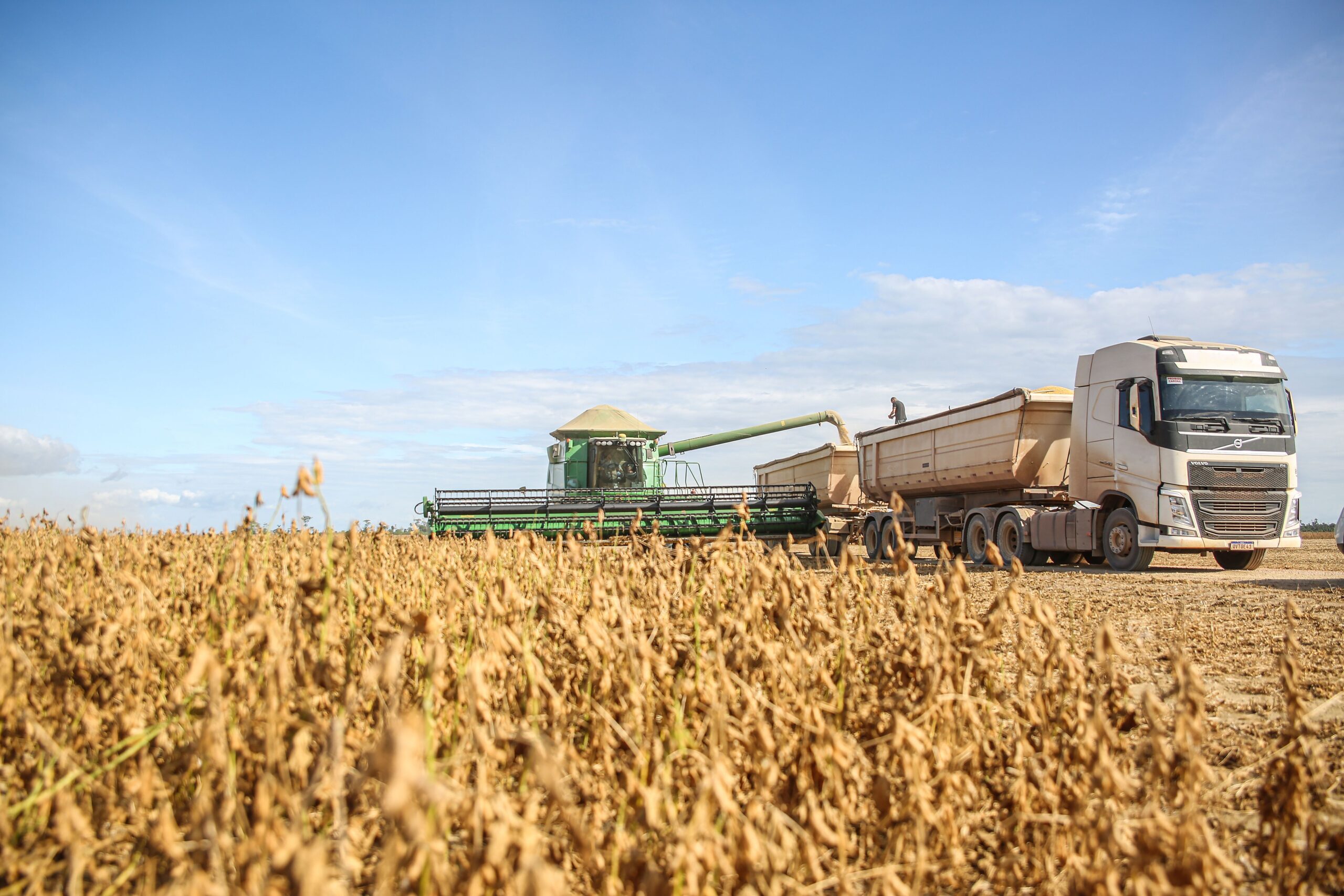
soja
26. October 2026.

At the field with: Milan Đurđev

At the Đurđev farm, practical experience and comparisons between treated and untreated plots demonstrate the importance of supporting crops throughout the growing season.

In agriculture, everything ultimately comes down to measurable results. How much did the crop yield? How much grain was harvested? And did the measures applied deliver results that justified the investment?

Milan Đorđev, an agricultural producer and distributor of Aeouls products under the Kontur brand, has been using Kontur products in his farming operations for years. His experience covers several arable crops, and the results achieved on plots treated with Kontur products, compared with untreated plots, provide a valuable basis for discussing the role of timely and well-planned biostimulant application.

At the Đurđev farm, the approach is not based on a single application during the season. Attention is given to different stages of crop development, from seed treatment to applications during the growing season, with the programme adapted to the needs of each crop.

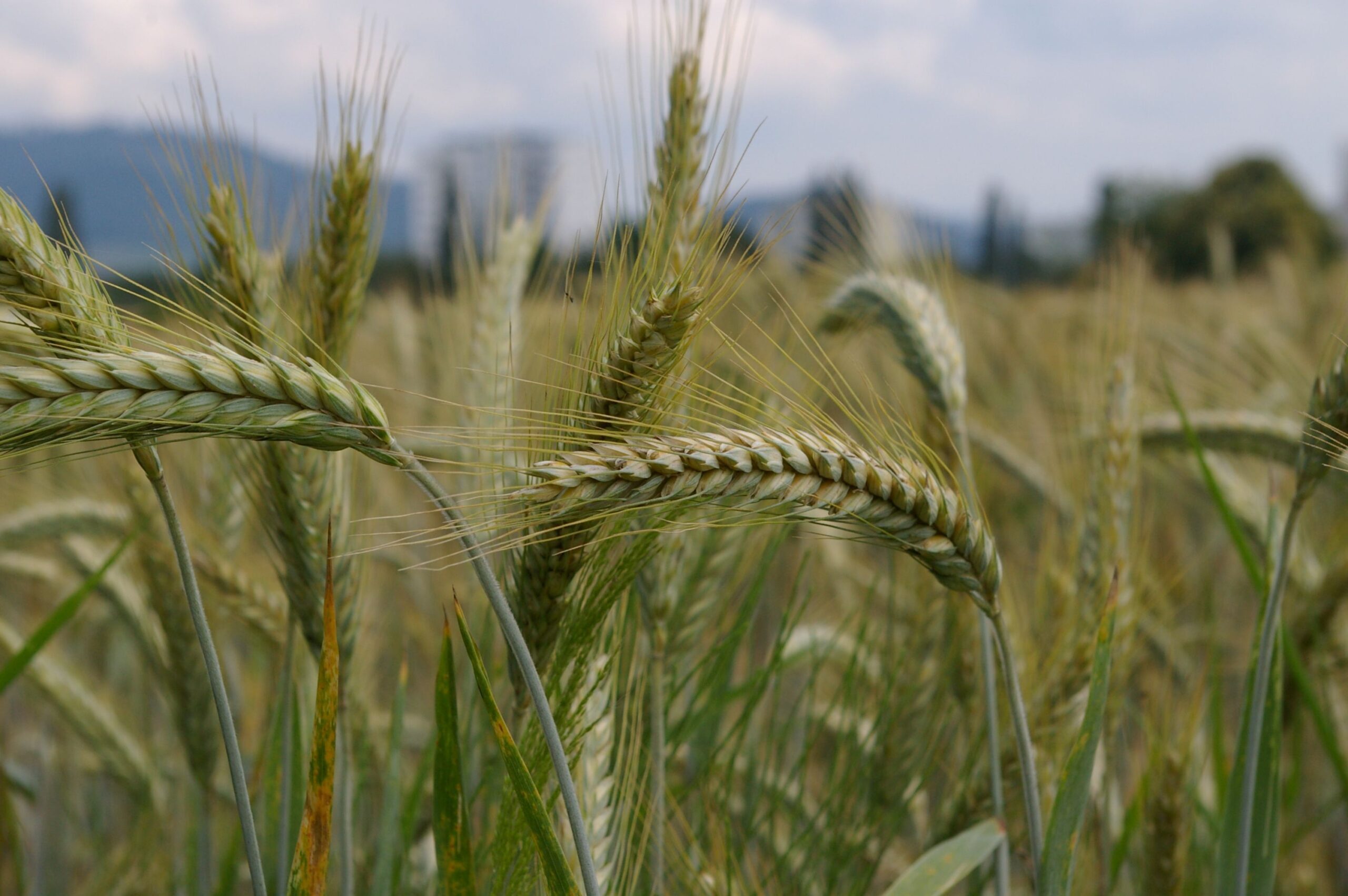
Wheat: From Seed Treatment to Support During the Growing Season

In wheat production, the programme began with seed treatment using Start, with the aim of supporting the plant from the earliest stages of development.

During the growing season, Contur products were incorporated into the crop protection programme. In the first treatment, Start and Rast were applied alongside fungicides, while Anti-Stress was used during the second spray.

This approach is based on the principle that support for the plant should not end at sowing but should continue throughout its development, when the crop faces changing environmental conditions.

Results at the Đurđev farm: 300 kg/ha more wheat on plots where Kontur products were applied compared with plots where they were not used.

A difference of 300 kilograms per hectare is a measurable result that farmers can assess in terms of their overall production. Across larger areas, this difference becomes even more significant, making it important to monitor results and keep records of the measures applied.

Oilseed Rape: Consistent Application and 350 kg/ha More Yield

Oilseed rape is a crop that requires careful planning of agronomic practices and attention to the plant’s needs throughout its different growth stages.

On Milan Đurđev’s plots, Kontur products were used on several occasions during the growing cycle. The programme included Start, Anti-Stress and Rast, with the aim of supporting the crop at different stages of development.

Result: 350 kg/ha more oilseed rape compared with plots where Kontur products were not applied.

For the farmer, this is an important figure because the yield difference can be expressed in kilograms per hectare and then translated into its economic value based on the selling price of the harvested crop.

However, to interpret the result correctly, other production conditions must also be considered, including the variety, soil conditions, weather and agronomic practices used. Experience from an individual farm provides a useful indication of real-world performance, while repeated trials under comparable conditions allow more reliable conclusions to be drawn about the effects of an application programme.

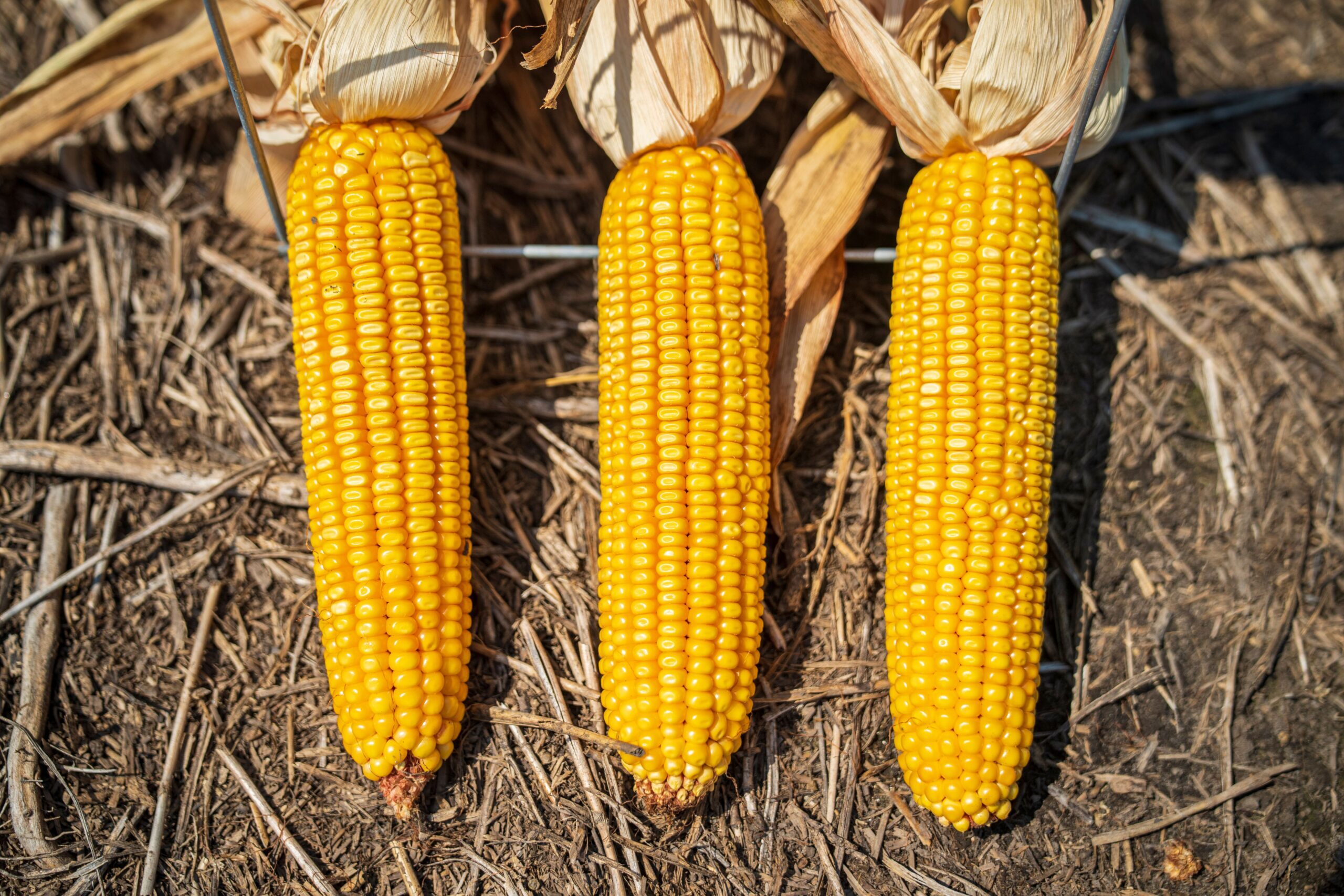
Maize: Supporting the Crop at Different Growth Stages

In maize, Milan incorporated Kontur products into his crop management programme during the growing season, taking the crop’s development into account and coordinating applications with other agronomic practices.

At the three-leaf stage, Anti-Stress was applied at a rate of 0.4 L/ha alongside the herbicide treatment. Rast was applied twice: first at the five-leaf stage and again at the eight-leaf stage, together with Laudis, at a rate of 0.3 L/ha per application.

This programme illustrates the importance of planning applications throughout the growing season rather than relying on a single treatment. The aim is to support the plant at different stages of development while following the application recommendations for each product and checking compatibility with crop protection products.

Results at the Đorđev farm: 200 kg/ha more maize on plots treated with Kontur products compared with untreated plots.

How Late Can Contur Rast Be Applied to Maize?

One practical point Milan highlights concerns the possibility of applying Rast during the later stages of maize development.

Based on his experience, application can also be considered when the maize plants have grown tall, provided that the machinery can enter the field and the crop can be treated safely. This is important for farmers who want to plan applications according to crop development rather than relying exclusively on a predetermined calendar date.

However, field accessibility is not the only criterion. When considering a late application, farmers should take into account the product’s approved use, the permitted growth stage, the technical capabilities of the sprayer, the risk of crop damage and operator safety. In particular, it is important to verify whether application at tassel formation or after tassels have emerged is permitted by the product’s official instructions.

What Do the Results from the Đurđev Farm Tell Us?

Milan Đurđev’s experience shows why farmers should monitor not only which products they apply but also the results achieved in their fields. Comparing treated and untreated plots can be a useful way to assess whether an investment is worthwhile, provided the plots are comparable in terms of soil, variety or hybrid, sowing date and other agronomic practices.

The following yield differences were recorded at the Đurđev farm:

  • Wheat: 300 kg/ha more.
  • Oilseed rape: 350 kg/ha more.
  • Maize: 200 kg/ha more.

These figures reflect experience from a specific farming operation and should not be interpreted as a guarantee that the same results will be achieved on every field. Yield is influenced by numerous factors, including weather conditions, water availability, plant nutrition, variety selection and the overall agronomic programme.

For farmers, the most important thing is to consider product application as part of a well-planned production system, follow the recommended rates and application timings, and keep records of the results.

Because, at the end of the season, the best measure of the value of any agronomic practice is what can actually be measured in the field.
pexels-nc-farm-bureau-mark-13094647
7. October 2026.

At the field with: Radašin Radosavljević

In the end, everything on the farm comes down to the same question – what is left in the trailer once the crop has been harvested?

For Radašin Radosavljević, a farmer from the Svilajnac area, the answer was not easy to find this year. The season was exceptionally dry, with very little rainfall, which made it particularly important to see how the crops would perform where Contur AntiStress had been applied.

Radašin used the product on two crops – corn and sunflower. Both hybrids were from the LG group, but the approach was not the same for the two crops.

In corn, AntiStress was applied as a foliar treatment together with the crop protection treatment, at the 5–7 leaf stage, at a rate of 0.5 L/ha.

In sunflower, the approach was somewhat different. AntiStress was applied for as long as it was possible to enter the crop with a sprayer, also at a rate of 0.5 L/ha.

But simply looking at the crop and saying that it looked good was not enough for Radašin.

He wanted to see the numbers.

That is why he also left untreated areas in the fields, allowing him to compare the yields and see whether the difference could actually be measured once the crops were harvested.

When a Field Result Becomes a Number

Corn may be the best example.

On the part of the field where AntiStress was not applied, the yield was 5,890 kg/ha.

On the treated part, the yield was 3.2% higher.

That means approximately 6,078 kg/ha, or around 188 kg more per hectare.

When this difference is calculated using the corn price at the time, 22 RSD/kg, it represents approximately 4,147 RSD/ha in additional crop value, before deducting the cost of the treatment itself.

At first glance, 3.2% may not sound like a large figure. But when the percentage is translated into what a farmer actually sees on the scale, the picture looks different – almost 190 kilograms more corn from one hectare.

And then there is sunflower.

On the untreated part of the field, the yield was 3,740 kg/ha, while the part treated with AntiStress recorded a 2.8% higher yield.

That corresponds to approximately 3,845 kg/ha, or around 105 kg more per hectare.

At a sunflower price of 50 RSD/kg, those additional 105 kilograms represented approximately 5,236 RSD/ha in additional crop value, again before deducting the cost of the treatment.

Taken together, the two results represent approximately 9,383 RSD/ha in additional crop value, based on the difference between the treated and untreated areas.

CropUntreatedTreatedDifferencePriceAdditional value
Corn5.890 kg/ha6.078 kg/ha+188 kg/ha22 RSD/kg+4.147 RSD/ha
Sunflower3.740 kg/ha3.845 kg/ha+105 kg/ha50 RSD/kg+5.236 RSD/ha
Total————+9.383 RSD/ha*

Of course, no field result should be viewed separately from the season in which it was achieved.

And this year, water was scarce.

Very scarce.

Under such conditions, it was precisely this that made it interesting to observe how the crop would respond where AntiStress had been applied.

Radašin did not start from the assumption that the product would perform a miracle. He did what farmers know best – he left room for comparison and let the field have the final say.

Because once the crop is harvested, the story is no longer simply about how it looked during the growing season.

What remains is the yield.

What remains is the difference between the treated and untreated areas.

And, ultimately, what remains is the question that matters most to every farmer – can what was done in the field also be seen in the final calculation?

In Radašin’s case, this year’s comparison showed a difference in both corn and sunflower.

And that is precisely why results from real farms have their value – not as a promise that every field will deliver the same result, but as the experience of one farmer under very specific production conditions and an exceptionally dry growing season.

pexels-omron2003-10798630
3. October 2026.

At the field with: Florian Farkaš

At first glance, the story seems simple: barley, wheat, and one product applied several times throughout the season. But when you talk to Florian Farkaš, it quickly becomes clear that what happens in the field cannot be viewed through the lens of a single product.

Florian works in regenerative agriculture and also provides agricultural advisory services. His approach to production is therefore somewhat different. He looks at the crop, the soil, and plant protection as parts of one interconnected system.

It was precisely within this system that the idea emerged to see how Kontur AntiStress would perform on his barley and wheat fields.

“Since this is my production based on a regenerative system, the idea was to see whether we could replace some of the conventional chemistry, primarily in barley,” Florian explains.

So, the question was not simply what the product would do as a biostimulant. It was also important to see how the crop would perform from a plant protection perspective.

Three treatments were carried out on the barley during the season. Each time, the product was applied at a rate of 0.5 L/ha, generally at intervals of around ten to fourteen days.

This timing was not accidental. Several different treatments were being carried out on the fields during that period, including herbicides and foliar urea applications, so the use of AntiStress fitted into the existing production schedule.

“If there wasn’t a herbicide application, then we applied urea or some similar combination,” Florian says, explaining what the season looked like in practice.

And this brings us to what was, in fact, the most important thing to monitor.

What was happening with the diseases?

According to Florian, the previous season was quite favourable for disease development. And that was precisely what made it possible to see how this approach would perform under real field conditions.

“From a plant protection perspective, the product did the job,” he says.

AntiStress was also applied to wheat, and here too, when it came to the first leaf-protection treatment, no fungicide was used.

However, Florian immediately adds an important point when putting any field result into context.

These are not fields managed in the same way as a conventional field where the same plant protection programme is followed every year.

The wheat has already been grown under a regenerative production system for nine seasons. The way the crop is established also plays a role: the row spacing is 23.3 centimetres.

“This makes the conditions somewhat less favourable for the development of these diseases, especially in barley,” Florian explains.

That is why his result should not be read as a simple equation: one product replacing one fungicide.

Quite the opposite.

What makes this experience interesting is precisely the way he looks at the field as a whole: a production system that has been developed over many years, the way the crop is grown, the conditions in which disease develops, the application of other products and, ultimately, what can be observed on the plants throughout the season.

In the field, these things are difficult to separate from one another.

And perhaps that is the most interesting part of this experience.

Because when we ask a farmer what they gained from using a product, the answer is not always just a number. Sometimes, it is what they saw on the plant. Sometimes, it is a treatment they did not have to carry out. And sometimes, the most important question is the one Florian asked at the very beginning: how much can an existing production system be changed while keeping the crop protected and stable?

As always, the answer is found directly in the field.

Guided by knowledge. Rooted in sustainability. Focused on results.

office.aeolus@gmail.com
+381 66 583 11 00
Instagram
Facebook

Quick Links

  • Aeolus
  • Doctor Farmer
  • Products
  • News & Tips
  • Privacy Policy
  • Cookie Policy

Where to find us?

Aeolus d.o.o.

Vlade Živanovića 5, 21000, Novi Sad, Srbija

© 2026 Aeolus

We respect your privacy
To provide the best experiences, we use technologies like cookies to store and/or access device information. Consent to these technologies will allow us to process data such as browsing behavior or unique IDs on this site. Not consenting or withdrawing consent may adversely affect certain features and functions.
Functional Always active
The technical storage or access is strictly necessary for the legitimate purpose of enabling the use of a specific service explicitly requested by the subscriber or user, or for the sole purpose of carrying out the transmission of a communication over an electronic communications network.
Izbor
The technical storage or access is necessary for the legitimate purpose of storing preferences that are not requested by the subscriber or user.
Statistics
The technical storage or access that is used exclusively for statistical purposes. The technical storage or access that is used exclusively for anonymous statistical purposes. Without a subpoena, voluntary compliance on the part of your Internet Service Provider, or additional records from a third party, information stored or retrieved for this purpose alone cannot usually be used to identify you.
Marketing
The technical storage or access is necessary for the legitimate purpose of storing preferences that are not requested by the subscriber or user.
  • Manage options
  • Manage services
  • Manage {vendor_count} vendors
  • Read more about these purposes
Settings
  • {title}
  • {title}
  • {title}